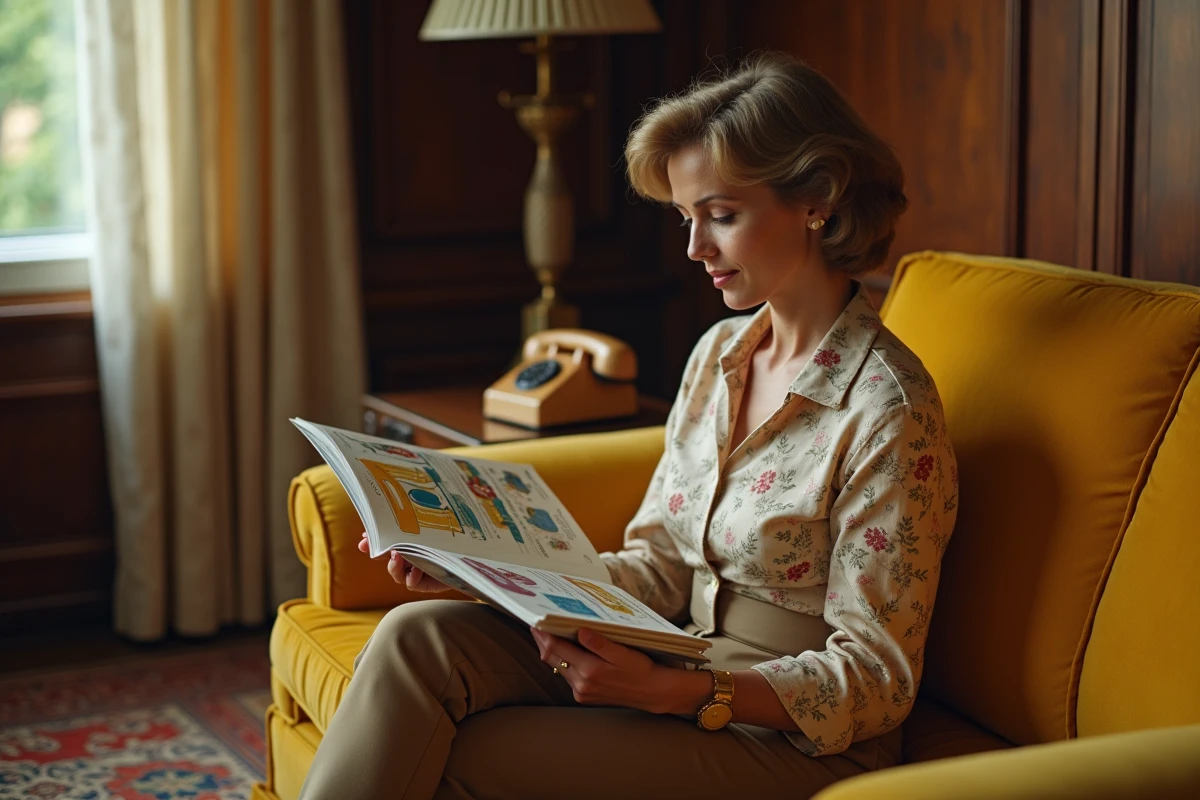
When we talk about mail order in France, one name comes up with almost Pavlovian regularity among generations that grew up before the internet: the Quelle catalog. This thick volume, received twice a year in mailboxes, shaped the consumption habits of millions of French households for several decades. Its history intertwines German textiles, bold business strategies, and a persistent nostalgia that lingers long after its disappearance.
The Quelle Catalog and the Mechanics of Mail Order in France
Before becoming a collector’s item, the Quelle catalog was a domestic work tool. It was placed on the kitchen table, pages were dog-eared, and references were circled with a ballpoint pen. Orders were placed by mail or phone, with delivery times that could stretch to several weeks.
This ritual was part of a particularly dense French mail order ecosystem. Northern France, and Roubaix in particular, concentrated the headquarters of La Redoute, 3 Suisses, and several other brands. Quelle inserted itself into this already structured market by importing a German model from the Quelle AG group based in Fürth, Bavaria.
For those who want to trace the history of the Quelle catalog in France, the trajectory follows a classic curve: gradual establishment, peak in the 1980s, then accelerated decline with the advent of online commerce.
Quelle Catalog: What the Thick Pages Revealed About French Society
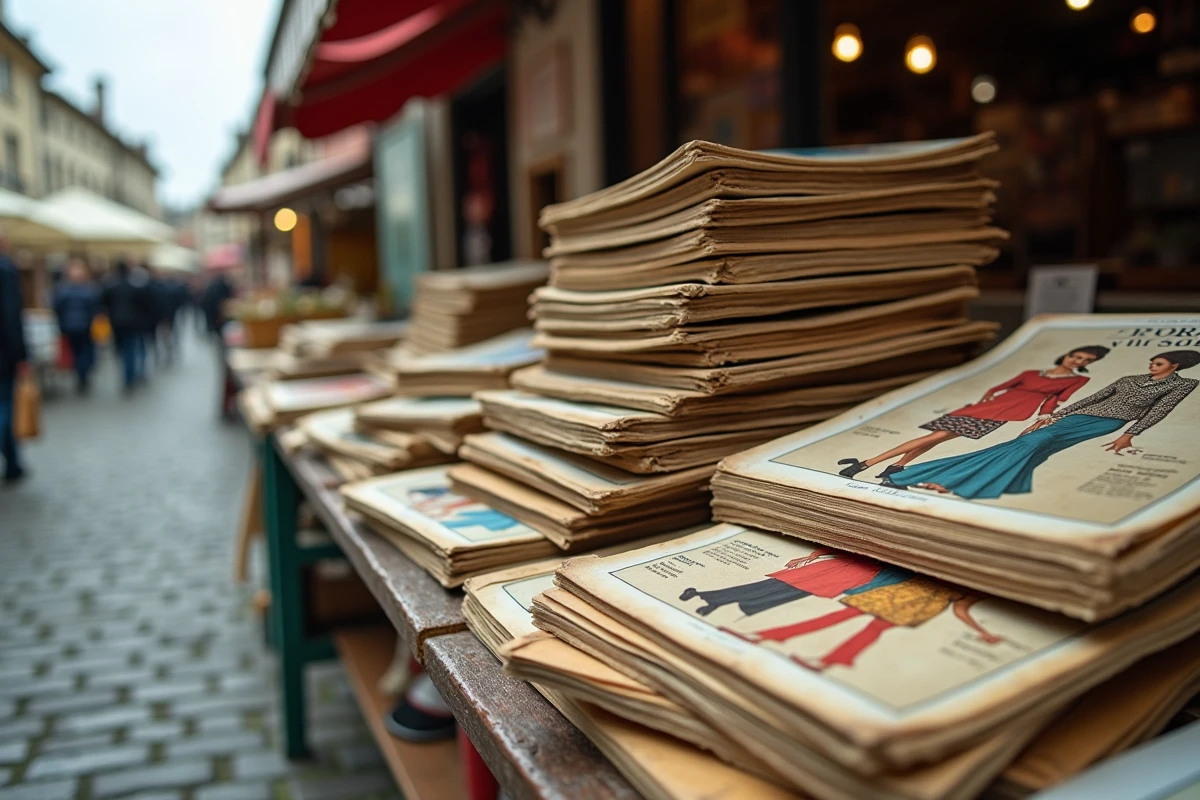
The Quelle catalog was not just a purchasing tool. Its pages reflected the aspirations of a burgeoning middle class. The furniture offered followed trends (rattan, formica, Scandinavian pine), fashion oscillated between practicality and imitation of Parisian styles, and the home appliance pages documented the gradual equipping of households.
Browsing through a Quelle catalog from the 1970s or 1980s is akin to consulting a sociological archive. It reveals the priorities of an era: domestic comfort, access to a variety of products without having to travel, and a form of democratization of consumption for rural areas or small towns poorly served by large retailers.
This social dimension distinguishes French mail order from its foreign counterparts. In a country where Parisian centralization left large territories outside traditional distribution channels, ordering from a catalog represented a form of equal access to products.
The Role of Paper in Emotional Attachment
The physical weight of these catalogs is often underestimated. Several hundred pages on glossy paper with a weight dense enough to withstand months of handling. This material volume contributed to their status as a permanent domestic object, placed on a low shelf, always accessible.
The smell of ink, the sound of pages turning, the texture of the paper: these sensations consistently emerge in nostalgia testimonies. The digital catalog has never produced this sensory attachment, which partly explains why the transition to the web marked the end of an emotional relationship with commerce.
Disappearance of the Quelle Catalog and the Heritage of Mail Order
The Quelle AG group filed for bankruptcy in 2009, swept away by the financial crisis and its inability to undergo digital transformation. The French branch had already ceased operations before this date. The physical catalog had disappeared from mailboxes long before the official bankruptcy.
This disappearance is part of a broader movement. La Redoute abandoned its paper catalog, and 3 Suisses followed suit. A whole industry of paper mail order collapsed in less than two decades.
The recent phenomenon of heritage preservation of these catalogs deserves attention. The exhibition dedicated to La Redoute at the La Piscine Museum in Roubaix illustrates this trend: commercial objects are becoming museum pieces. Catalogs, once discarded after use, are now preserved under glass.

What Collectors Look for in Old Catalogs
On resale sites, old mail order catalogs find buyers. The motivations of buyers vary:
- The search for a specific item seen in childhood, often a toy or clothing associated with a family memory
- Documentary interest in the history of design, fashion, or home appliances during a given period
- The aesthetic dimension of layouts and photographs, which reflect the advertising visual codes of their time
Feedback varies on this point: some collectors seek catalogs in impeccable condition, while others prefer annotated, dog-eared copies that bear the marks of real use.
Legacy of the Quelle Catalog in Current Commerce
The legacy of Quelle and French mail order extends beyond nostalgia. Several commercial mechanisms born with paper catalogs persist in contemporary e-commerce.
- Installment payment, popularized by mail order catalogs, remains a major selling point on retail sites
- The seasonal catalog logic (spring-summer, autumn-winter) still structures the collections of many textile brands
- Customer service by phone, directly inherited from the call centers of northern mail order, laid the foundations for remote customer relationships
French e-commerce owes more to paper mail order than to the American models often cited as references. The logistical skills, expertise in product catalog management, and customer loyalty reflexes through regular mailing find their origins in these decades of mail order.
The Quelle catalog has disappeared, but the habits it instilled in French households—ordering remotely, comparing on paper before buying, waiting for a package—form the foundation upon which online commerce has been built. Roubaix, which housed the giants of mail order, now hosts e-commerce startups. The lineage is direct.