Fashion is defined by cycles, but the current period is distinguished by a specific phenomenon: trends no longer replace each other; they coexist. A superposition of retro references, traceable minimalism, vintage pieces integrated into contemporary wardrobes. Understanding these fashion trends allows for the construction of a unique style without chasing every viral micro-trend.
Responsible quiet luxury: the new marker of elegance
The term responsible quiet luxury refers to minimalist clothing, very well tailored, made from certified and traceable materials. The idea goes beyond the simple rejection of logos: it is about making transparency in manufacturing a style criterion on par with cut or color.
In concrete terms, this translates to pieces with impeccable drape (a fine-knit sweater, straight wool-blend trousers, a fluid dress without unnecessary ornamentation) whose origins can be verified. Several brands now display their suppliers and certifications directly on the label or via a QR code sewn into the garment.
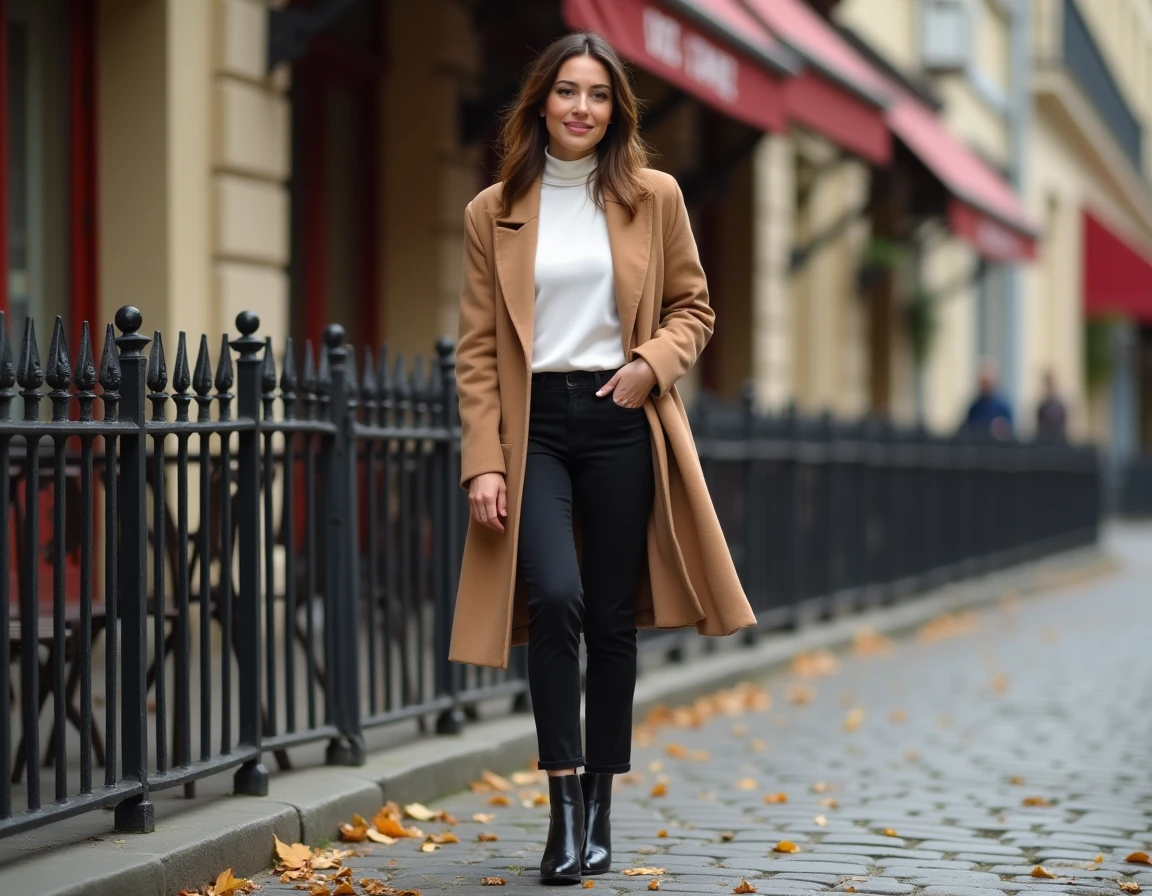
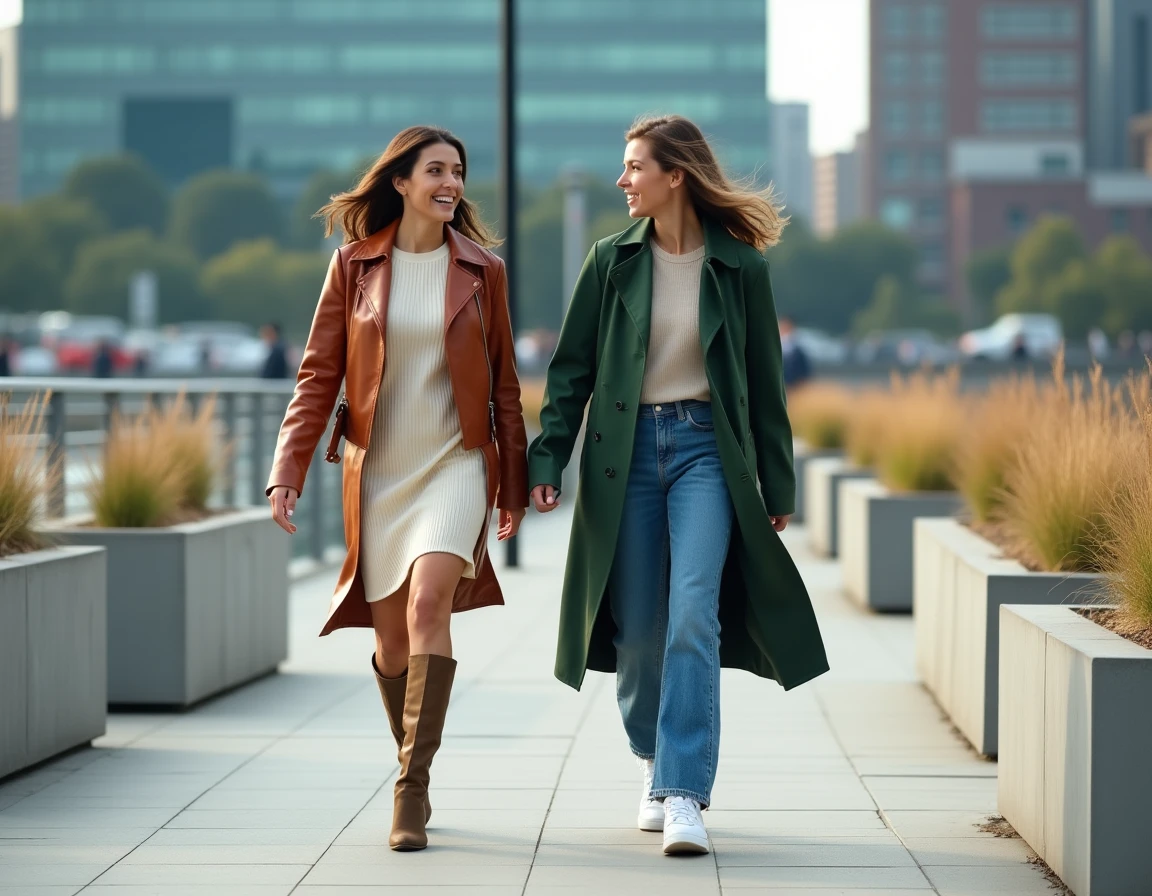
This choice of sobriety changes the logic of the wardrobe. Rather than accumulating seasonal pieces, one invests in a few quality garments that can be combined over several years. A well-tailored trench coat, a stable-cut jean, discreet gold or thick-plated jewelry are enough to anchor an elegant silhouette, where ephemeral trends required constant renewal of looks.
Exploring the selections offered on www.carobleueviolette.fr fashion gives a good idea of how these sober pieces can be adapted for everyday wear.
Repairability and textile upcycling: a unique style through transformation
The 2024 Fashion Transparency Index from Fashion Revolution has documented a marked increase in consumer interest in repairability and upcycling. Tailoring suits, home dyeing, customization workshops: these practices are no longer marginal DIY; they become a concrete lever for differentiation.
Transforming an existing garment produces a result that no brand can replicate identically. A jacket with shortened sleeves, a re-dyed barrel jean, an oversized sweater cropped at the shoulders: each intervention creates a unique piece.
Where to start to personalize your wardrobe
- Cold dyeing, applicable at home on cotton and linen, allows for transforming a basic piece into a trendy color (butter yellow or terracotta shades work particularly well on light natural fibers).
- Tailoring alterations at a tailor often cost less than a new garment and offer a custom fit, especially for trousers and jackets.
- Adding details (vintage buttons, discreet embroidery, contrasting fabric inserts) provides a visual signature without altering the original piece.
In France, the AGEC law and the expanded repair bonus project for textiles encourage this approach. Several brands already offer take-back and second-hand services in-store, making it easier to access quality pieces for transformation.
Signature vintage pieces: anchoring a look beyond micro-trends
The 2024 report from Vestiaire Collective on second-hand fashion confirms a clear increase in purchases of signature vintage pieces. 80s-90s suits, structured bags, solid gold or thick-plated jewelry: these elements serve as an anchor around which one builds a personal look.
The logic is simple. A strong vintage piece (a double-breasted blazer with pronounced shoulders, a high-neck dress, a thick leather belt) provides immediate stylistic direction. The rest of the look can remain understated, composed of contemporary basics. The contrast between an old piece and current clothing creates a style that no one else wears.
Choosing vintage pieces methodically
Not all vintage pieces age the same way. Dense natural materials (wool, thick silk, full-grain leather) retain their shape for decades. In contrast, fine synthetics from the 90s degrade quickly and lose their shape after a few washes.
Checking the interior seams remains the most reliable gesture to assess the quality of a second-hand piece. Regular seams, generous fabric surplus at hems, and an intact lining indicate a garment built to last.
Trendy colors and silhouettes: what structures a coherent wardrobe
Current fashion trends converge towards reduced but assertive palettes. Butter yellow, warm neutral tones, and off-whites compose a base from which one can vary without risking visual incoherence.
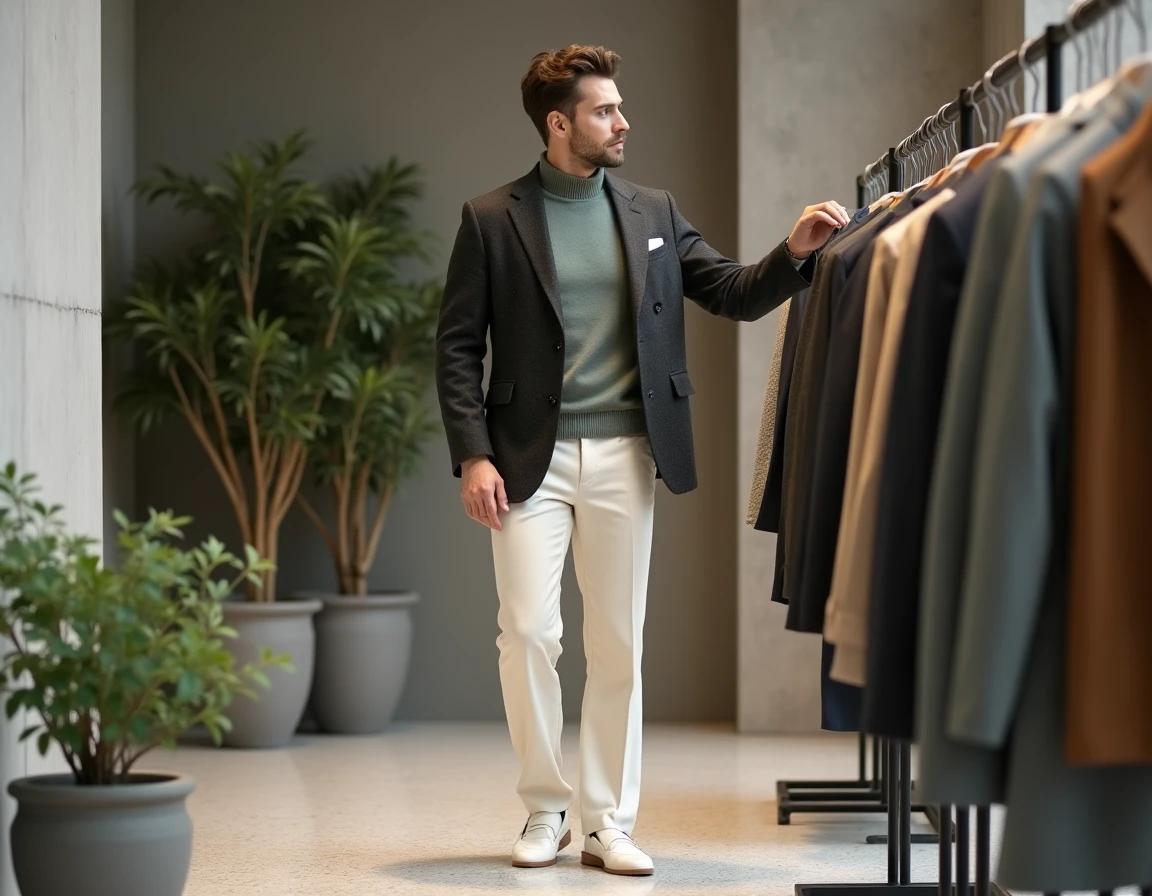
On the silhouette side, loose cuts remain dominant on the bottom (barrel jeans, high-waisted straight trousers) while the top slightly narrows (fitted sweaters, short tailored jackets). This play of proportions creates a visual balance that works on most body types.
- The wide beige trousers, combined with a dark structured top, produce a sharp silhouette effortlessly.
- The short colored jacket worn over a midi dress adds dynamism to a minimalist outfit.
- Thick chain jewelry or geometric earrings add a focal point without overwhelming the outfit.
Building a wardrobe around three or four compatible colors and two key silhouettes simplifies daily choices. Fewer well-chosen pieces produce more coherent looks than a scattered wardrobe.
The fashion trends of this period share a common thread: the refusal of accumulation in favor of quality, traceability, and uniqueness. A repaired garment, a well-selected vintage piece, or a traceable basic worn with confidence is enough to create an elegant look that does not depend on any seasonal cycle.