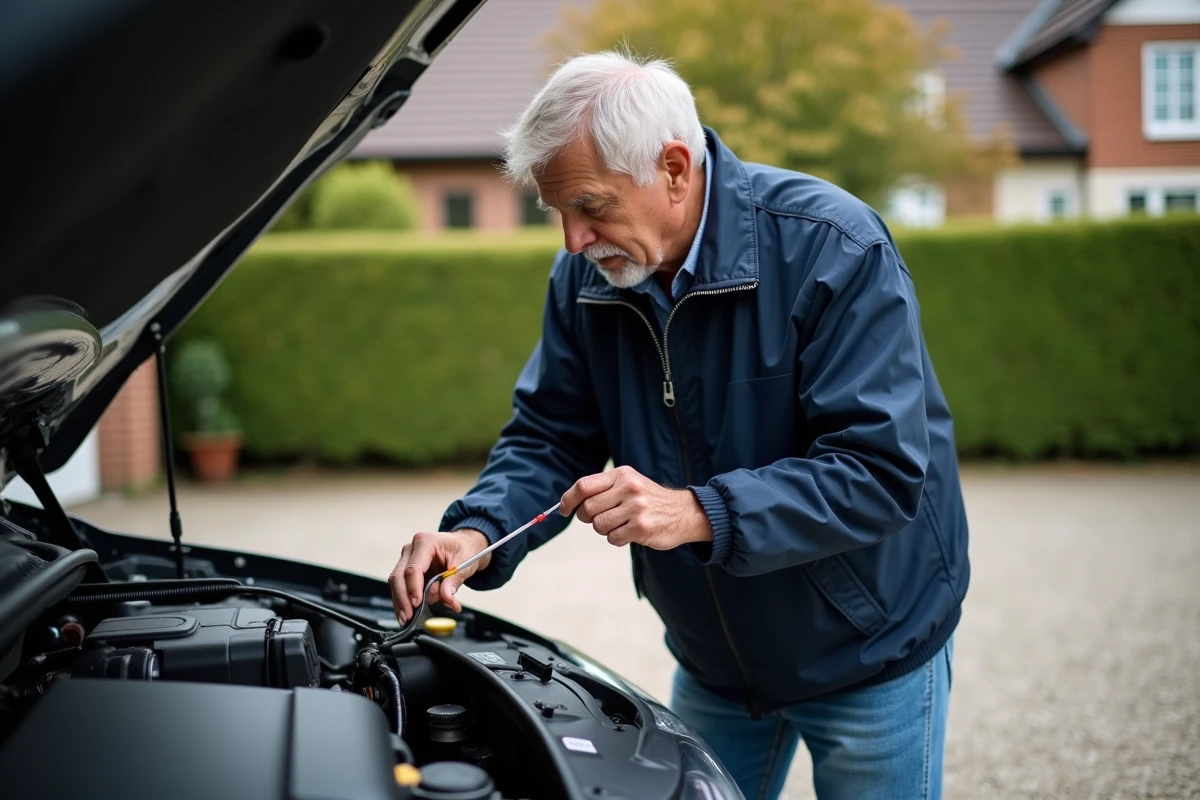
A clogged air filter can reduce a motor’s energy efficiency by nearly 10%. Despite this loss, many drivers neglect its replacement, sometimes postponing it to double the manufacturer’s recommendation. Engine oil, even of high quality, loses its lubricating properties over the miles and repeated cold starts. Ignoring these wear cycles accelerates the degradation of mechanical parts and increases the risk of costly breakdowns.
Why daily maintenance makes all the difference on a used vehicle
An up-to-date maintenance log does not lie. It attests to careful monitoring, backed by proof, and charts a reassuring path between the lifespan of your car and its appeal in the second-hand market. To keep your used vehicle in top shape, every detail counts: regularly check the levels, take a look at the tires, address minor issues promptly; all of this shapes the story of your car. Even simple receipts and notes from inspections build a solid traceability that reassures and tips the scales during resale.
In the world of used cars, the difference lies in the consistency of monitoring. Maintenance means anticipating problems, preventing the mechanics from deteriorating prematurely. Professionals often remind us: a well-maintained file, with invoices and checks to back it up, becomes a formidable argument to defend your car’s price.
Rely on the auto tips from Le blog de Bango to establish an effective routine. Taking care of your vehicle is not a chore. It’s a choice: to bet on reliability, preserve lifespan, and guarantee resale value. Small, repeated, regular gestures weigh much more than hasty repairs when the damage is already done. Preventing, documenting, that’s the best tactic to get the most out of your used car.
What simple checks to adopt for a worry-free drive each week?
The weekly reflex starts with a glance at the tires. Their pressure is not a detail: it affects safety, handling, and the lifespan of the rubber. Also monitor wear, spot irregular patterns, and be attentive to any defects. A under-inflated or worn tire means a longer stopping distance and precarious grip.
Next, check the dashboard. Any warning light, even a subtle one, can reveal a mechanical issue or a part that is wearing out. The levels of oil, brake fluid, and coolant must remain stable: any sudden drop deserves a check, often indicative of a leak or advanced wear. Taking the initiative limits costly repairs and prolongs the mechanical health of your car.
A few quick checks are essential each week:
- Check the condition of the wiper blades: poor visibility is enough to make the road dangerous.
- Inspect all lighting: bulbs, brake lights, turn signals. In case of failure, safety suffers, not to mention the risk of failing the technical inspection.
- Look at accessible wear parts: check for cracks, signs of corrosion, or unusual play.
Lift the hood from time to time. A strange smell, a suspicious color, or traces under the engine are never trivial. Repeating these simple gestures each week establishes a discipline that, over time, protects the reliability of your vehicle.

Concrete tips to extend the life of your car and avoid unpleasant surprises
Do not underestimate the power of regular monitoring on your vehicle. To extend the longevity of your car, everything relies on consistency: frequently check fluid levels, keep an eye on the cleanliness of the cooling system, and monitor the condition of the engine oil. A change in fuel consumption, an unusual noise, can signal a part that is wearing out. Be attentive to every vibration, every anomaly.
Consider these few gestures to protect your car:
- Choose reliable spare parts during repairs: durability depends on the quality of each installed element.
- Wash the bodywork and undercarriage regularly: dirt promotes corrosion, which attacks both the body and the mechanics.
- Prefer parking in the shade: heat and sunlight degrade plastics, seals, and paint over time.
To preserve your car, make it a habit to listen to the engine, feel the steering, and observe any changes. Adopt a smooth driving style: sudden accelerations and late braking wear out the mechanics and increase consumption. Regular maintenance not only ensures a pleasant drive but also protects the value of your vehicle, limits unexpected bills, and guarantees solid reliability, day after day.
In the end, the difference between a tired car and one that endures the years without flinching lies in these simple and regular gestures. A well-kept log, weekly checks, constant care: this is where true longevity is determined, far from marketing promises.