
In the field of human resources, innovation and adaptation are essential to remain competitive. HR training is no exception to this rule, constantly evolving to integrate the latest trends and technologies. From the digitalization of processes to the application of artificial intelligence for recruitment and talent management, industry professionals must continuously update their skills. The rise of remote work has brought new challenges in team management and corporate culture, emphasizing the importance of HR training that embraces these changes.
Current Trends in Human Resources Training
In the changing world of human resources, innovation trends are multiplying, shaping the landscape of human resources training. Companies, aware of the impact of quality of life at work on performance, are increasingly integrating this dimension into their training programs. The hybrid work model, resulting from a post-pandemic era, has altered expectations and needs in terms of human resource management, pushing organizations to rethink their strategies and promote flexibility.
Renewed attention is being paid to skills development, primarily those known as soft skills. Communication, resilience, and adaptability are now at the heart of training programs, recognizing that technical skills alone are not enough to navigate the contemporary professional landscape. CCM Recrutement, for example, has recently implemented a program focused on emotional agility, essential for the leaders of tomorrow.
Internal mobility is also a major focus, encouraged by training that equips employees to advance within their own company. These initiatives aim to strengthen the corporate culture, allowing employees to develop a deeper sense of belonging and commitment. Consequently, human resources training becomes a vector for integrating and consolidating the company’s values and identity.
In the face of current human resources challenges, industry professionals must constantly adjust and train to support ongoing transformations. Training must therefore be conceived as dynamic tools, capable of preparing human resources actors not only to meet current demands but also to anticipate future work developments.
Significant Innovations in HR Training
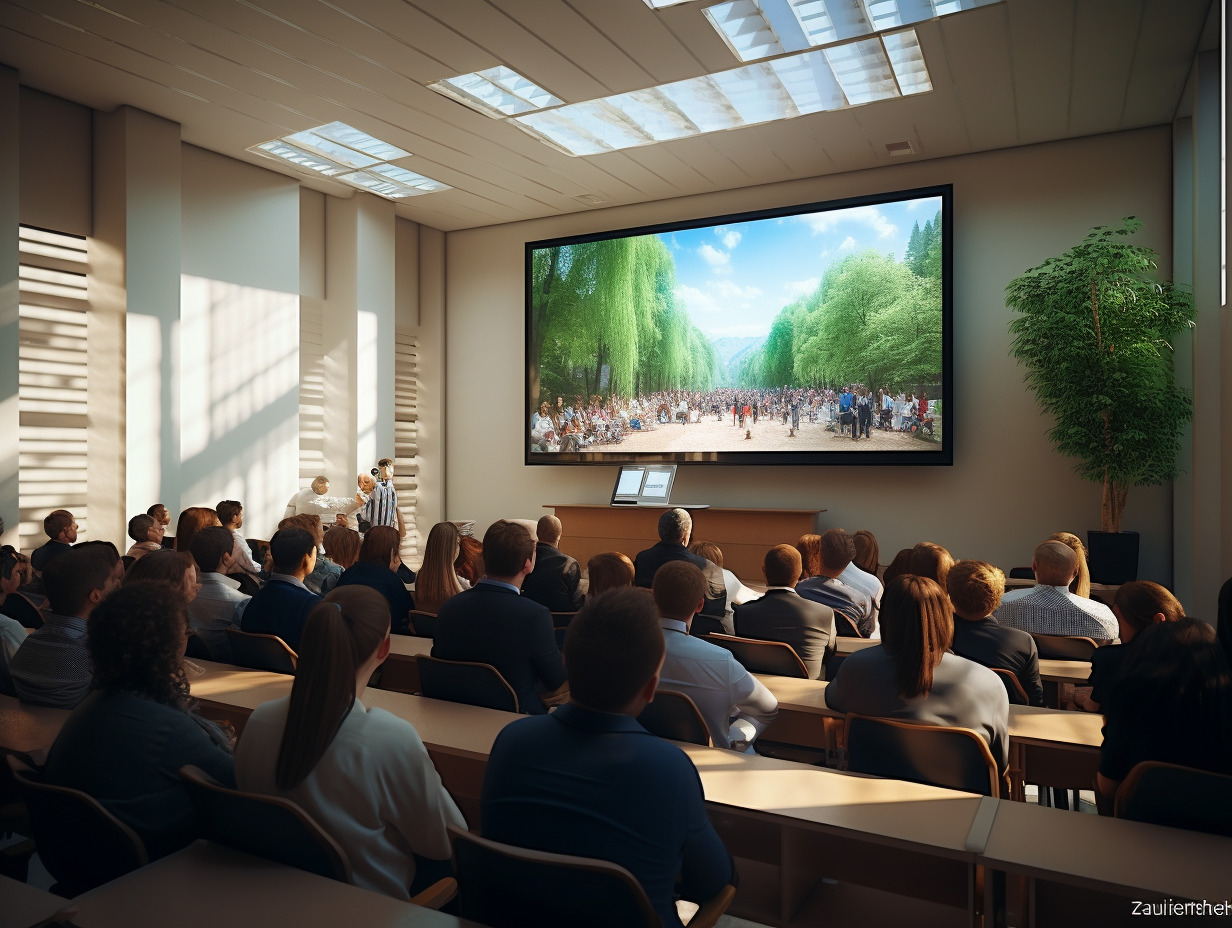
Human resources training is undergoing a revolution driven by digital innovation. Among the most significant advancements, artificial intelligence stands out. It enables personalized training, adapting to the specific needs of each learner. Intelligent recommendation systems identify employees’ skill gaps, offering tailored training modules to fill these gaps.
Digital learning is establishing itself as a pillar of online training, disrupting traditional methodologies. Online learning platforms offer interactive content, accessible anytime and anywhere, thus promoting greater flexibility for employees. This encourages autonomy in learning and a better balance between professional and personal life.
Tech tools play a prominent role in the emergence of new practices. Augmented reality and virtual reality introduce immersive simulations, allowing HR professionals to practice in controlled environments that closely replicate real situations. These technologies promote the application of theoretical knowledge and the development of skills in context.
Digital transformation also impacts the content of training dedicated to innovation in the HR field. Training programs are evolving to include modules on data management and analysis, optimizing HR processes through digital tools, and cybersecurity. Enhancing the skills of HR managers in these areas is essential for successfully navigating the rapidly digitizing professional landscape.