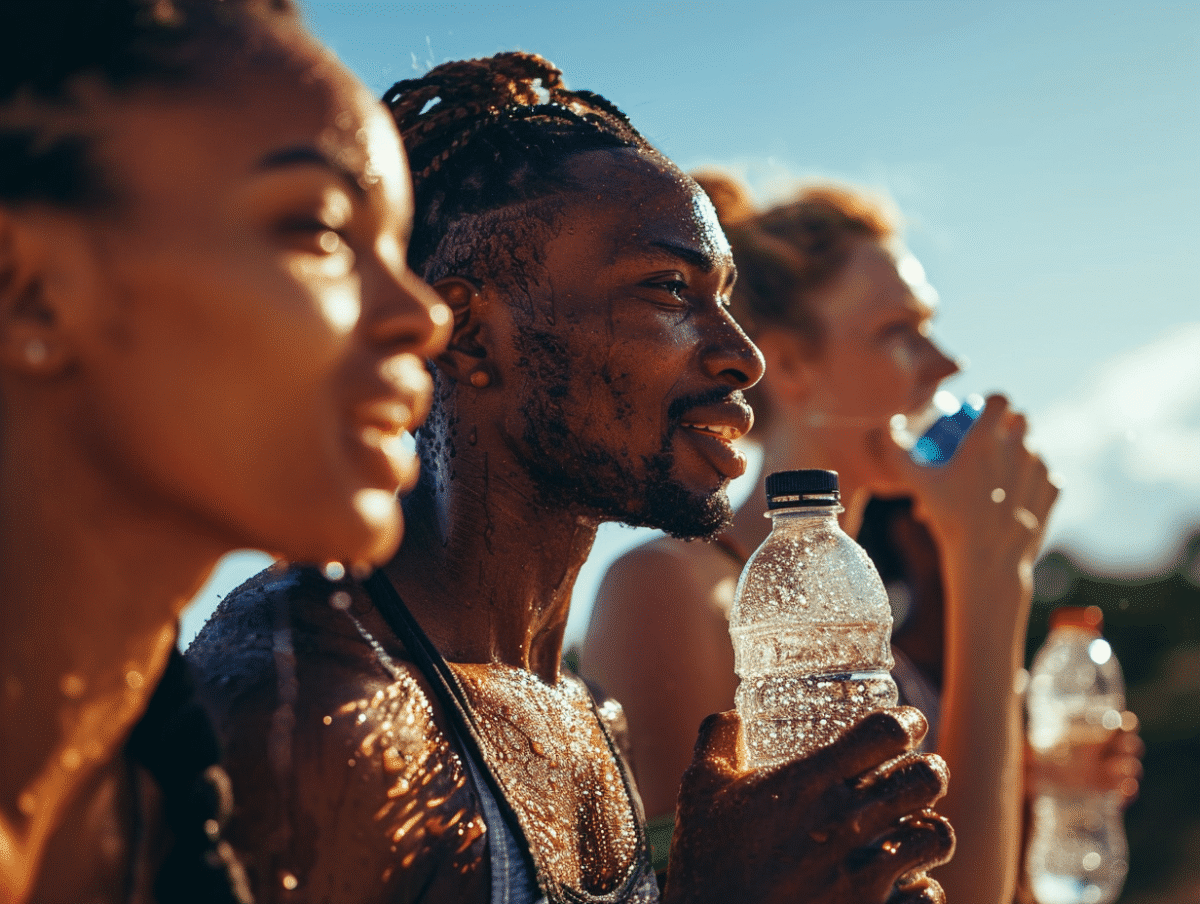
When it comes to maximizing athletic performance, hydration plays a crucial yet often underestimated role. The human body, a complex machine, requires a precise fluid balance to function at its full potential. During physical activities, sweat leads to fluid loss that must be compensated to maintain body temperature, lubricate joints, and facilitate metabolic processes. Appropriate hydration strategies enable athletes from all disciplines to push their limits while reducing the risks of dehydration, which can range from decreased performance to serious health complications.
Hydration Strategies to Improve Athletic Performance
Hydration, a vital process for maintaining fluid balance and athletic performance, should be at the core of any athletic preparation. Nicolas Aubineau, a sports nutrition expert, reminds us of the golden rule: hydrate before, during, and after exertion. A decrease of 2% in body weight can lead to a 20% reduction in performance. By integrating this data into their Sportive or Sportif Journal, athletes can precisely track their water intake and adjust their consumption based on the intensity of their training and weather conditions.
Engaging in physical activity inevitably results in fluid loss, primarily through sweating. If this loss is not compensated, it can lead to dehydration, with consequences such as cramps, tendinitis, and even the risk of kidney stones. Therefore, it is essential for athletes to recognize the signs of dehydration and respond proactively. Nicolas Aubineau’s hydration tips are clear: do not rely solely on the sensation of thirst, which can be misleading as it often appears late.
To implement an effective hydration strategy, you must plan liquid intake throughout the workout session. This means drinking water or specific beverages at regular intervals, without waiting for thirst signals. The risk of dehydration must be carefully assessed, especially for endurance sports where sweating is abundant and rehydration is more challenging to manage during performance.
The quality of hydration is not limited to the amount of water consumed. The beverages should contain an adequate balance of electrolytes, such as sodium, potassium, and magnesium, which are essential for nerve signal transmission and muscle contraction. During prolonged sessions or in hot weather, athletes should prioritize isotonic drinks, which, in addition to hydration, provide the necessary nutrients for maintaining energy and post-exertion recovery.

Choosing Beverages for Effective Hydration Based on the Type of Physical Activity
Water, a fundamental element for hydration, remains the beverage of choice for daily hydration and during light physical activities. Experts recommend a daily intake of at least 2L to maintain adequate hydration. In cases of abundant sweating due to sustained physical effort, this amount should be increased to compensate for losses and regulate body temperature.
For endurance sports like running or cycling, isotonic drinks are more suitable. These beverages contain carbohydrates, vitamins, and minerals that not only hydrate but also provide a quick source of energy. They help maintain the balance of electrolytes, which are lost in large quantities during sweating, thus preventing digestive issues often encountered during prolonged efforts.
Hydration before exertion is crucial for preparing the body for activity. Isotonic drinks can be consumed to ensure that hydration reserves are optimal. During recovery, after exertion, an energy drink rich in carbohydrates and proteins promotes muscle repair and replenishes energy reserves.
It is important to highlight the role of mineral waters and spring waters. The former, rich in minerals, can contribute to daily electrolyte intake such as sodium, potassium, and magnesium. The latter, often less mineralized, is recommended for deep hydration without overloading the body with mineral salts. Each athlete should select their hydration source based on their sport, the intensity of effort, and their own digestive tolerance.