Owning an NFT often feels like conquering a digital territory, while in reality, one only receives a limited usage title on the concerned work. In practice, most buyers do not have reproduction rights, nor the ability to disseminate or commercially exploit the content related to their token. These are merely the consequences of intellectual property legislation that remains firmly rooted in reality.
A gap thus widens between the perception of digital ownership and what the law actually allows. Platforms, artists, and buyers must adapt to sharp rules, often unknown, that strictly limit the use and valuation of works associated with NFTs.
Understanding Copyright in the Era of NFTs: What Every Creator and Collector Should Know
The concept of intellectual property does not vanish because an NFT circulates on the blockchain. Even if unforgeable, a token does not sweep away the framework imposed by copyright nor the complexity inherent to digital works. Buying an NFT most often means holding a restricted usage license, sometimes even a non-exclusive one. Forget about large-scale reproduction or independent commercialization: these uses remain locked. Few NFT platforms clearly announce the limits of the transfer of property rights.
For creator artists, caution must prevail from the conclusion of the smart contract. Everything hinges on the details: authorized uses, scope of transferred rights, remuneration upon resale. Each of these clauses shapes the future of digital art. In the face of abuses, stolen works, and fake NFTs in circulation, the only defense remains a perfect knowledge of the texts and the ability to react quickly in case of a dispute.
Collectors, for their part, should verify the origin of digital works and the reliability of the seller. The risks of counterfeiting and identity theft are no longer exceptions. The blockchain keeps a record of transactions, but consulting a NFT lawyer becomes necessary as soon as the suspicion of copyright infringement arises. This professional will know how to initiate the procedure to defend both the creator and the buyer.
The balance here remains delicate. The protection of rights depends on the transparency of contracts, the reliability of platforms, and the vigilance of each actor. Otherwise, digital art on the blockchain risks becoming nothing more than a wasteland, conducive to arbitrariness and rampant speculation.
What Are the Main Legal and Ethical Challenges Posed by NFT Works?
The protection of copyright collides with a shifting reality. On NFT platforms, the frenzied circulation of digital assets undermines old benchmarks regarding the control of works. A fungible token offers no guarantee of authenticity or legitimacy regarding the work protected by copyright. Creations are regularly sold without the consent of the original creator, thus exposing artists and buyers to risks of counterfeiting and identity theft.
Some concrete examples help to better grasp these risks:
- The violation of copyright remains common, particularly due to the lack of systematic verification of the provenance of digital works.
- The rise of artificial intelligence in the creation of NFTs further blurs the notion of authorship and the question of intellectual property.
- The management of NFT disputes becomes complicated due to the opacity of certain transactions, often conducted in cryptocurrencies and under the cover of anonymity.
The absence of harmonized international rules perpetuates confusion. Intellectual property systems vary from country to country, complicating the defense of one’s rights over an artwork visible everywhere. Some NFT platforms lack rigor and leave artists to fend for themselves in the face of the proliferation of illicit copies.
Finally, the ethical dimension cannot be ignored: unbridled speculation, market manipulation, exploitation of works without consent. With NFTs, digital art finds itself at the heart of a constant tension between technological innovation and respect for creative work.
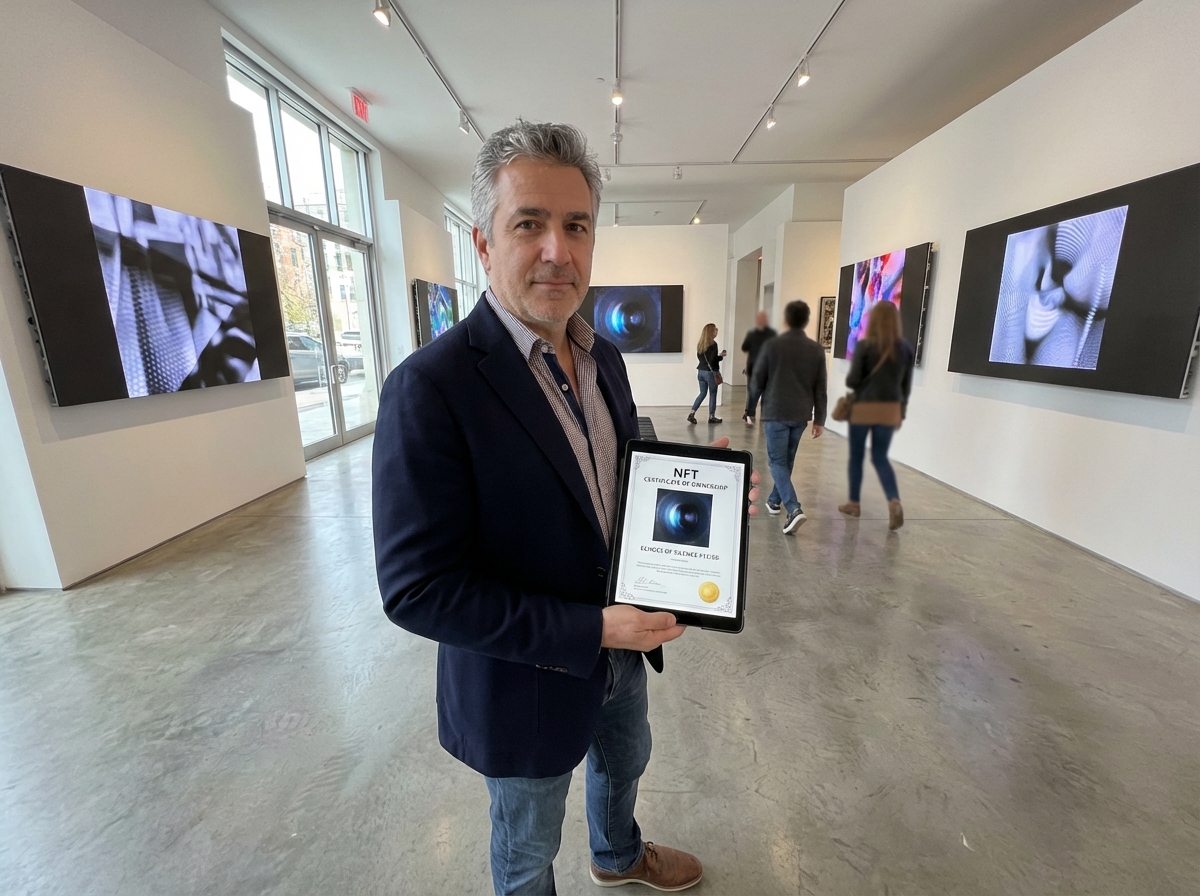
Practical Tips to Secure Your Rights and Avoid Pitfalls in the NFT Universe
To secure rights over NFTs, vigilance is essential at every stage. It is not enough to rely on technology: authentication and proof of ownership must be accompanied by genuine legal reflection. Before putting a digital work up for sale, it is essential to check the origin of each file and ensure that you hold all relevant rights. NFT platforms sometimes offer identification mechanisms, but their reliability varies. The same goes for the solidity of the smart contracts meant to govern the transfer of rights.
Take the time to analyze the terms of use of NFT platforms: some impose restrictions on the monetization of works or the management of neighboring rights. Careful, even customized drafting of the smart contract often proves beneficial. It is important to clearly specify the extent of the rights transferred, particularly for uses in the metaverse or the resale of digital collectibles. A specialist, such as Master Arnaud Touati, can refine your strategy and anticipate the risks of litigation.
For artists, keeping sketches, source files, and electronic correspondence constitutes a solid creation dossier. This proof of authenticity can make a difference in case of a dispute. Collectors, on the other hand, should request digital certificates of authenticity and closely monitor regulations regarding NFT portfolio management as well as applicable taxation.
Here are some suggestions to strengthen your defenses:
- Choose platforms equipped with monitoring and alert tools in case of unauthorized use of your creations.
- Stay informed about the evolution of laws: in the digital realm, rights protection is constantly adjusting and reinventing itself.
In the vibrant world of NFTs, the line between innovation and excess is drawn every day. Staying attentive, informed, and surrounding yourself with the right allies is the price to pay to ensure that digital art does not become a mirage, but a sustainable and respectful adventure of creation.