Weight Watchers, now renamed WW, has revolutionized the world of dieting with its point-based systems, encouraging healthy and balanced eating. This program has undergone several changes, transitioning from the ProPoints system to the SmartPoints system. These modifications are not trivial; they reflect an adaptation to scientific advancements in nutrition. The ProPoints, introduced in 2010, took into account proteins, carbohydrates, fats, and fiber. In 2015, SmartPoints took over, emphasizing the quality of food by penalizing added sugars and saturated fats more heavily.
The functioning of the Weight Watchers points system
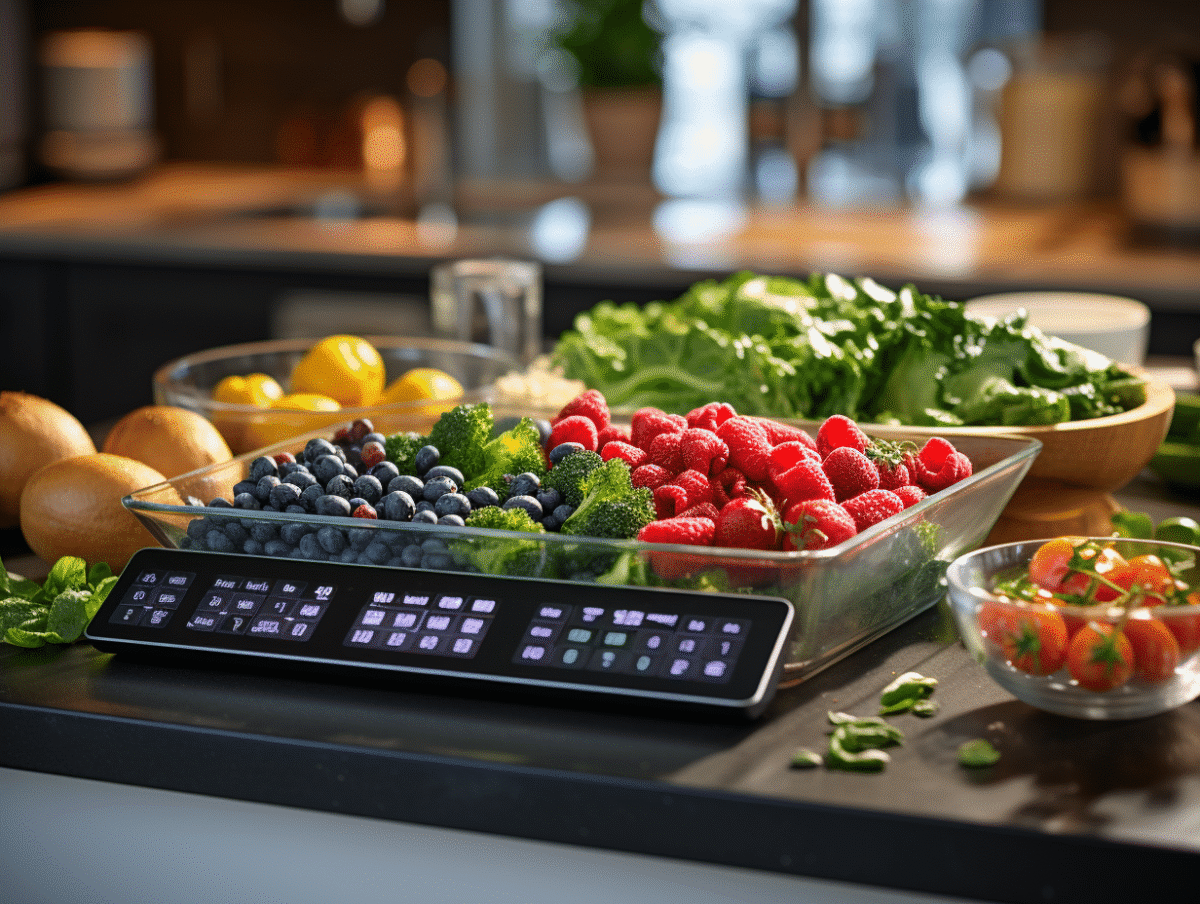
To discover how the Weight Watchers diet works, let’s take a closer look at its points system, the cornerstone of the method. Each participant is assigned a personalized points budget based on individual criteria such as weight and age, aimed at guiding them towards food choices that promote weight loss. The uniqueness of this diet lies in its holistic approach, which does not limit itself to caloric aspects but also integrates the nutritional density of foods. The ZeroPoint foods illustrate this philosophy: a list of foods that can be consumed without counting points, as they are considered staples of a healthy diet.
Innovation does not stop there. The monWW program, the latest version of the diet, offers three color plans: Green, Blue, and Purple, each tailored to different lifestyles and dietary preferences. These plans vary based on the number of ZeroPoint foods and the flexibility of the points budget. The Weight Watchers diet provides digital tools, such as the mobile app and website, which facilitate daily tracking of points and help users stay within their allocated budget.
The human dimension of the diet is manifested through Weight Watchers meetings, where a network of psychological support and mutual encouragement is woven. These weekly gatherings, combined with an encouragement for physical activity, complement the program by promoting not only weight loss but also overall well-being. Therefore, Weight Watchers positions itself not just as a diet but as a true companion on the journey towards sustainable lifestyle changes.

Comparison between ProPoints and SmartPoints
The ProPoints and SmartPoints systems embody the evolution of Weight Watchers’ nutritional strategy. The ProPoints program, a pioneer in the points approach, assigned a score to each food, primarily based on its caloric intake, fiber, and protein content. This method allowed for some flexibility in food choices while guiding participants towards a caloric reduction for weight loss.
With the introduction of the SmartPoints system, Weight Watchers reinforced its commitment to healthy eating. This new system emphasizes the quality of nutritional intake by promoting proteins and penalizing sugars and saturated fats. The SmartPoints budget aims to be more than just a calorie calculator: it reflects a strategic choice to encourage the consumption of health-beneficial foods.
In this context, the ZeroPoint foods have been revised. While fruits and vegetables retained their status as foods to consume without moderation, the SmartPoints system expanded this list to include lean proteins such as fish, eggs, and certain yogurts. This choice aims to encourage satiety without impacting users’ daily points budget, thus promoting weight loss without feelings of deprivation.
Weight Watchers combines its dietary approach with an encouragement for physical activity, considered a complementary pillar to nutrition for effective weight loss. The transition from ProPoints to SmartPoints also provided the organization with an opportunity to enhance its online offerings with Weight Watchers Online, providing an improved user interface and increasingly personalized tools to support its members in their health journey.