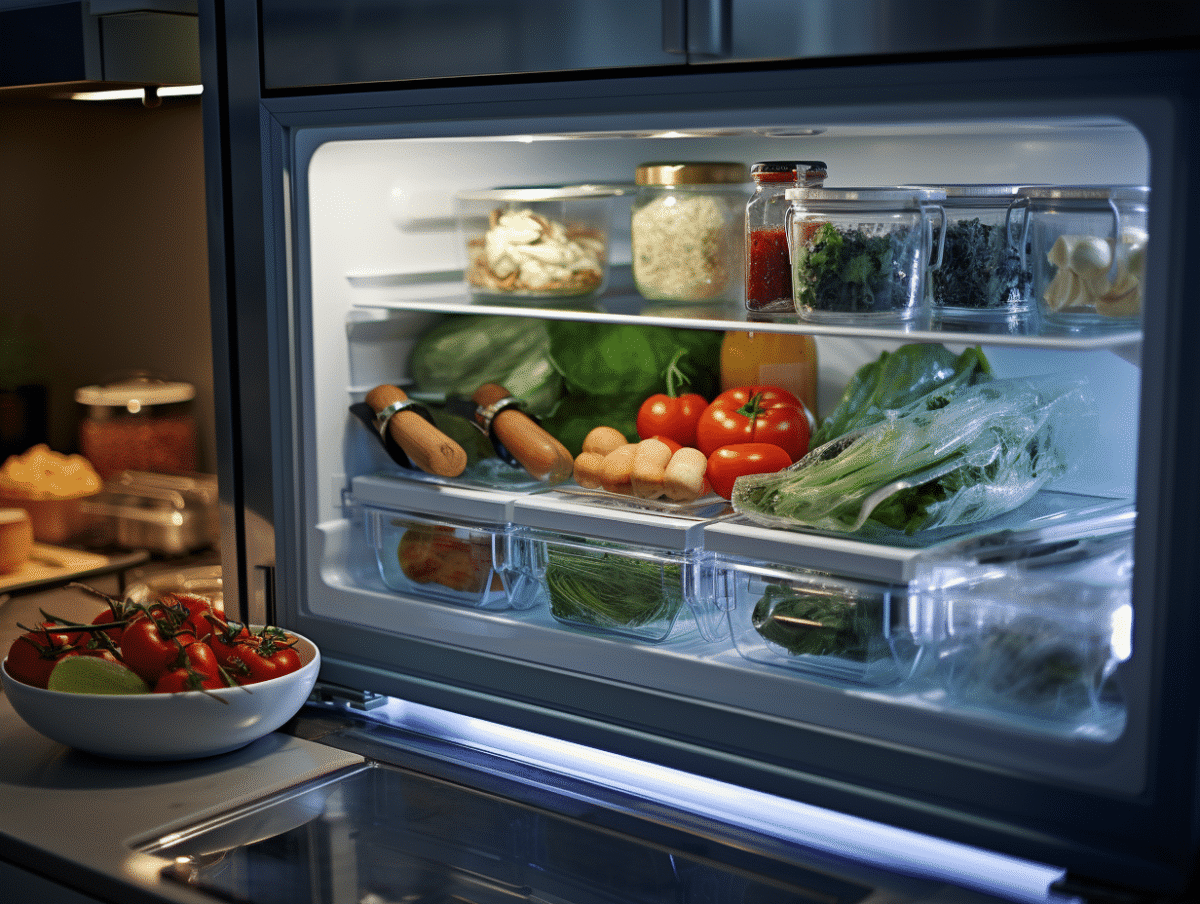
In the world of food preservation, the freezer represents an ideal solution for maintaining freshness and nutritional qualities over the long term. This technology, which relies on the rapid reduction of food temperature, offers multiple advantages such as extending product shelf life and preserving taste. Exploring the different freezing methods available on the market allows for an understanding of the specifics of each device. Knowing the essential criteria for selecting the right equipment and mastering maintenance tips ensures optimal and sustainable use of your freezer.
The Benefits of Freezing for Optimal Preservation
Freezing, a common practice among both professionals and individuals, is distinguished by its ability to preserve the taste quality, texture, and freshness of food. By rapidly lowering the temperature of products to extreme levels, between -30° and -50°C, and then reaching -18°C at the core of the food, it minimizes the formation of ice crystals, unlike regular freezing which generates larger ones. This fundamental difference explains why frozen foods retain a texture closer to their original state.
Freezers offer superior food safety compared to domestic freezers, thanks to cooling that prevents bacterial proliferation. Nutrients, vitamins, and other nutritional qualities remain almost intact, a significant advantage for health. The shelf life of frozen products is significantly extended, which helps reduce food waste, a central concern in our societies aware of environmental and economic issues.
Freezing also proves to be an adequate preservation technique for a wide variety of foods, from fruits and vegetables to more complex preparations. Professionals, such as restaurateurs and bakers, use it to ensure the freshness of their creations, comply with food hygiene standards, and avoid losses.
To fully benefit from these advantages, understanding how to choose and maintain your freezer for optimal use is fundamental. Selecting an appropriate device involves analyzing specific needs in terms of capacity, type of freezing, and energy class. Maintenance, for its part, requires regular attention to seals, periodic defrosting, and checking the internal temperature to ensure consistent and lasting performance.
Choosing and Maintaining Your Freezer: Practical and Technical Tips
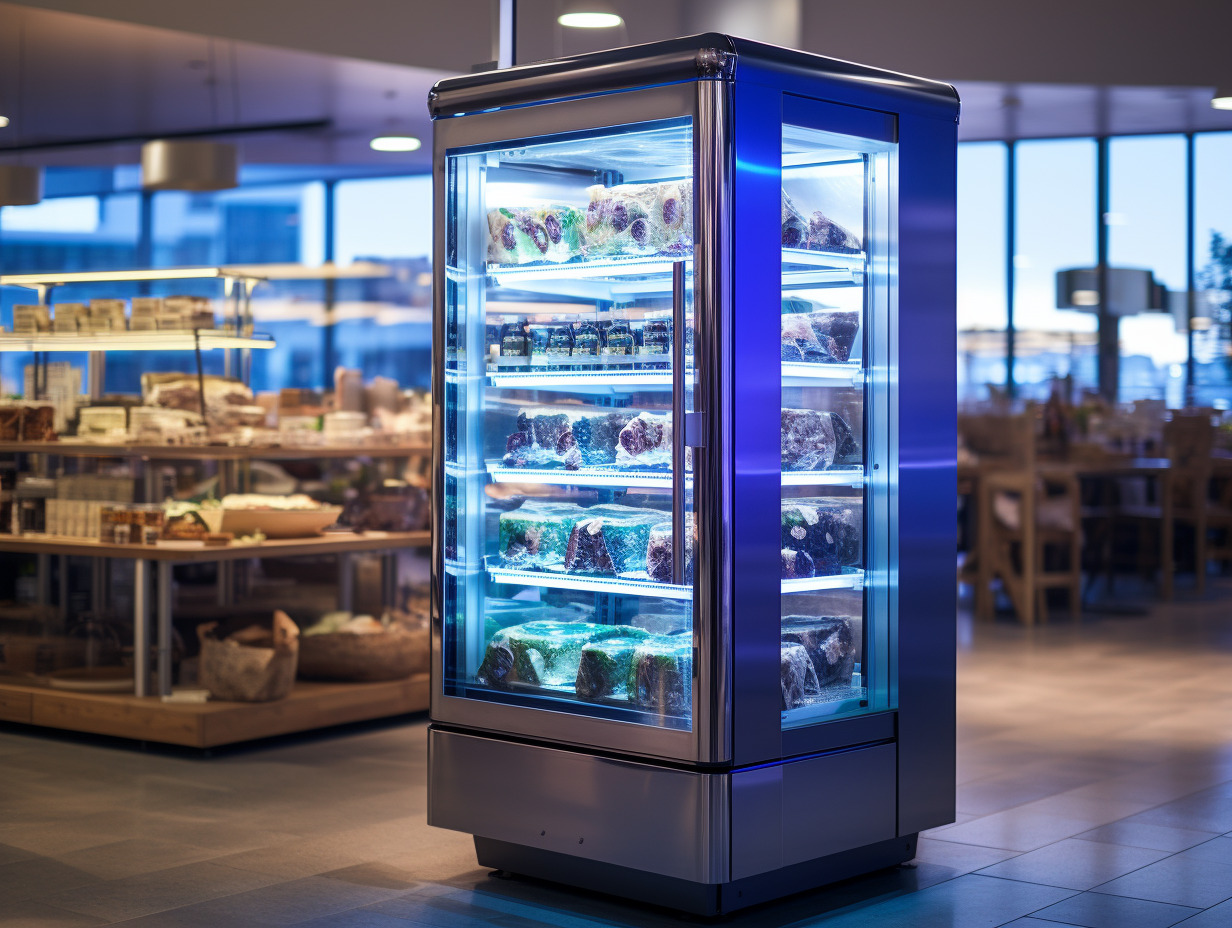
Given the diversity of freezer models available on the market, the decision can be complex. From conservation freezers to mixed freezing and rapid cooling plate cells, as well as cart freezing cells and freezing tunnels, each type meets specific needs. To choose wisely, measure your available space and determine the amount of food to freeze. Professionals will opt for cart freezing cells or tunnels, suitable for substantial volumes, while individuals will turn to conservation freezers, which are more compact and practical for domestic use.
The efficiency of a freezer is not only related to its cooling capacity but also to its climate class, which ensures its proper functioning according to ambient temperature. Select a device suitable for your environment to ensure optimal energy performance and food preservation. Also consider the energy class, a determining criterion for controlling electricity consumption and the environmental impact of the device.
A freezer requires regular maintenance to maintain its performance and extend its lifespan. Clean the interior and seals with suitable products to prevent bacterial proliferation and ensure that the door closes tightly for perfect insulation. Periodic defrosting is recommended to prevent excessive ice formation that could impair freezing efficiency. Regularly check the internal temperature to address any issues that could affect the quality of food preservation.